
Why Do Many UK Voters Struggle to See Themselves in Election Choices?

Have you ever felt like your vote doesn’t really give you a voice? It’s a common feeling. In the UK electoral system, a candidate can win a seat in Parliament even if most people in the area do not vote for them. This happens all the time. It means you can vote for someone who has no chance, spoil your ballot in protest, or just not show up, but none of those actions change the outcome. The result is that many feel their choice doesn’t matter.
Democracy loses something vital the moment voters stop seeing themselves in the outcome. This is exactly the problem a Veto Option aims to address.
What Would the Veto Option Do?
In simple terms, the Veto Option is a powerful tool for voters. If it is implemented, voters have the right to reject the lesser evil and the entire election. If more than half of the voters in a constituency selected it, the election would not stand. The seat would remain vacant until a new election is held, at which point someone could gain majority support.
This turns frustration into a clear, legal signal. Right now, if everyone is unhappy, there’s no way that will directly affect the result. A veto changes that. It makes the need for a true majority of the vote the most important rule of the election.
- It’s a Real Choice: It’s not a protest that gets ignored; it’s a formal vote with consequences.
- Forces New Elections: A majority veto cancels the result, triggering a new campaign.
- Changes Politicians’ Behavior: Knowing a veto is possible, candidates must work harder to appeal to a broader audience rather than just their core supporters.
Why Do Voters So Often Feel Ignored By The System?
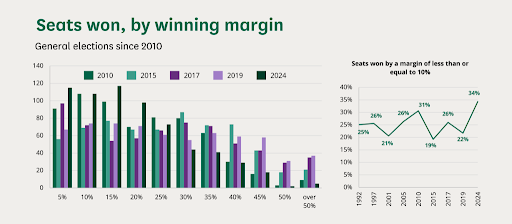
The heart of the issue is an outdated set of rules that no longer align with how people vote today. In the UK, we use a “First Past the Post” system, where the candidate with the most votes wins, even if “the most” is only 30% in a crowded field. This creates “safe seats” where the outcome is almost guaranteed, making voters and politicians alike feel that the campaign doesn’t matter.
Let’s look at how this plays out on the ground and how a veto could reshape the political landscape.
Safe Seats and the Illusion of Choice
In many parts of the UK, the same party wins election after election. Take a place like Blaenau Gwent. In the 2024 UK General Elections, the winning MP received just over half of the votes cast, but because many people didn’t vote, that represented only about 23% of everyone who could have voted. When the winner speaks for such a small fraction, is it any wonder people feel disconnected? A veto would disrupt these areas by giving every voter a direct way to say the status quo isn’t acceptable.
The Dead End of Current Protest Votes
What can you do if you don’t like any of the candidates? Your options are poor. You can stay home, but that is often interpreted as apathy. You can spoil your ballot, but it’s just counted as invalid paper; it doesn’t send a message anyone has to listen to. The system provides no official, respected way to say “I’m here, I’m engaged, but you’re all failing me.” This lack of a formal channel for discontent is a major gap in our democracy.
Shifting Power from Parties to People
Imagine if candidates knew that a coordinated protest vote could actually void the election. It would change everything. Campaigns in cities like Manchester or Leeds would shift from attacking opponents to addressing broader local concerns to avoid triggering that veto. It would encourage better candidates to step forward and force parties to listen more closely between elections, not just during campaigns.
How Will the Implementation of the Veto Option Begin?
Big political shifts often begin with public action. The Veto Campaign for a Veto option is gaining momentum, and its path follows a tried-and-true method in British democracy: demonstrating clear public demand.
This kind of reform starts with people showing they want it. Widespread support through petitions and public backing shows MPs that this isn’t a niche issue; it’s something voters in their constituencies care about. That’s the essential fuel for any political change.
- Building a Public Case: It begins with research and public discussion to show how the current system fails and how a veto would work.
- Demonstrating Popular Support: This is where petitions and grassroots campaigning come in, showing MPs the level of public interest.
- Pushing for Political Action: With strong backing, the next step is for supportive MPs to bring the proposal into Parliament for debate and, eventually, a vote.
Want to help change how elections work? Right now, 1,204 responsible voters have Signed The Petition to support the push for a Veto Option and to make it a debate in the UK Parliament. This is the time to give voters a reason to vote, not to force them to choose the lesser evil.
Final Thoughts
That feeling of being unrepresented isn’t in your head. It’s a direct result of an electoral system that too often asks for your vote without promising real representation. The Veto Option is a straightforward way to address this, ensuring that winning an election requires genuine consent from the community. It’s about making “majority support” a reality, not just a theory.
If you believe your vote should have the power to demand better, take action and study how a Veto Option can strengthen UK democracy.
Disclaimer: The perspectives expressed in guest articles belong solely to the individual contributors and do not represent the official stance of the Veto Campaign. We publish a range of viewpoints to encourage thoughtful dialogue around the veto option and related electoral topics.