
Why Does Voter Satisfaction Matter as Much as Voter Turnout?

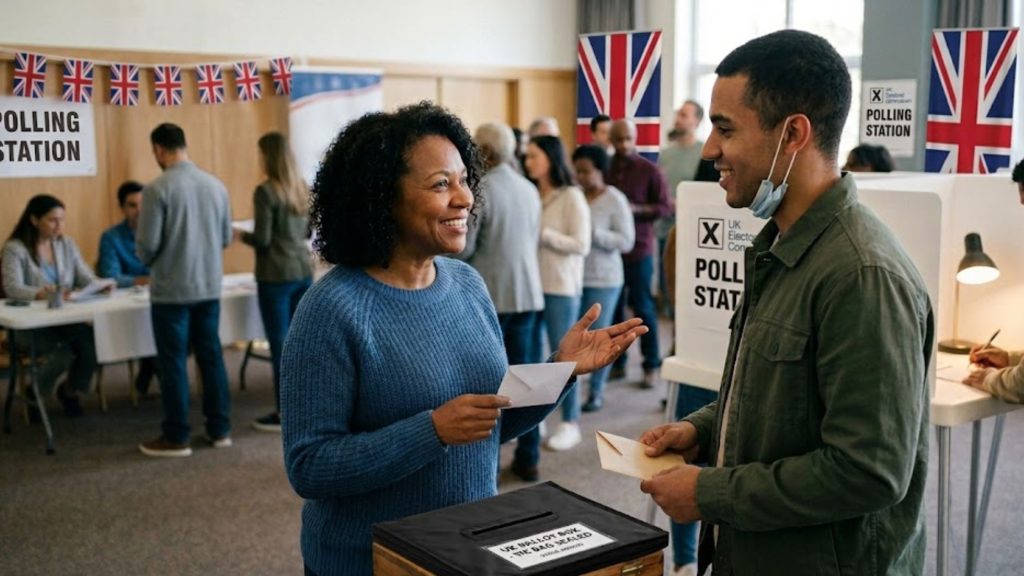
Many people think showing up at the ballot box is the ultimate sign of a healthy democracy. We often hear that high participation means the system is working perfectly. However, just because someone casts a vote doesn’t mean they actually support the choices in front of them. Many voters in the UK feel trapped into choosing the least-worst option rather than someone they truly believe in. This creates a huge gap between being present and being satisfied.
To fix this, we need a Veto Option that lets people demand better. Real change starts when we prioritise how voters feel, not just how many show up.
How Does the Veto Option Function as a Democratic Tool?
The Veto Option serves as a legal mechanism for voters to formally deny consent to an entire electoral process rather than just choosing between available candidates. It functions as a “fail-safe” for democracy, ensuring that if no candidate or party meets the public’s standards, the electorate can demand a fresh start through a binding, majority-driven rejection.
- This choice provides a distinct, legal pathway to reject the entire field of candidates simultaneously.
- A successful trigger requires a definitive majority of 50% or more, ensuring stability and clear public intent.
- If triggered, the specific election is voided, and a mandatory by-election is scheduled to find new representation.
- During the transition period, the seat remains vacant, highlighting the temporary absence of a legitimate mandate.
- It forces political parties to present candidates who possess high integrity to avoid the risk of a public veto.
Why is Voter Satisfaction a Better Measure of Democracy than Turnout?
Voter turnout only tracks the number of people who participated, but it fails to capture the level of trust or frustration behind those numbers. In recent UK elections, millions have felt forced to vote tactically, artificially inflating participation rates while masking a deep-seated crisis of confidence.
True democratic legitimacy comes from a satisfied electorate that feels its choices actually align with its values.
The Hidden Teality of Tactical Voting in the UK
When you look at results in places like Birmingham or Leeds, the numbers often hide a sense of resignation. Many people walk into the polling station feeling they have no real choice because the “safe seat” system makes their preferred candidate irrelevant. They vote for a major party just to keep another one out, which isn’t a sign of satisfaction; it is a sign of a broken system.
- High turnout can coexist with record-low levels of trust in political institutions.
- Tactical voting suppresses the growth of new ideas and keeps the same elites in power.
- Without a way to reject the whole field, participation becomes a forced consent.
How Does the Veto Option For UK Elections Restore Accountability?
Providing a Veto Option for UK elections would transform the relationship between the public and the political class. Currently, parties need only be slightly better than their rivals to win, lowering the bar for policy quality and personal integrity. If voters had a way to cancel an unsatisfactory race, parties would be forced to work much harder for every single vote.
- Politicians would have to appeal to the whole community, not just a small “swing” demographic.
- The threat of a rerun incentivises parties to put forward higher-quality candidates.
- It removes the “lesser of two evils” trap that currently dominates British politics.
Moving Beyond the Illusion of Democratic Participation
Simply showing up isn’t enough to sustain a modern society when 76% of people feel politicians don’t care about them. We need a system that measures success by how much we trust our leaders, not just how many of us stood in line. A meaningful choice must include the right to say “no” to the entire slate when it fails to meet the standard of the common good.
- Satisfaction is the only metric that truly reflects the health of a representative government.
- Empowerment comes from having the legal right to withhold consent during an election.
- A binding rejection mechanism is the ultimate check against the “Iron Law of Oligarchy.”
Why Your Participation is Important For the Upcoming Election in the UK?
The current state of our politics shows that the status quo no longer works for the average person. We see a growing gap between the people and those who sit in Westminster, leading to a massive decline in national morale. The veto election campaign in the UK is fighting to give that power back to you by making your dissatisfaction legally relevant.
Right now, your only “choice” is to pick a name or stay silent, but neither option forces the system to change. By signing the petition, you are joining over 1,347 people who believe that 10,000 signatures are the first step to making the UK Parliament listen. We need to reach that threshold to ensure this vital reform is debated and taken seriously by those in power.
- Join a growing movement of citizens demanding voter control for UK elections.
- Help us reach 10,000 signatures to force the government to issue a formal response.
- Transform your vote from a passive gesture into a powerful tool for systemic change.
Sign the Petition today and help UK citizens to reclaim our democracy!
Final Thoughts
The quality of our democracy depends entirely on the power we hold over our representatives. When we lose the ability to say “no,” we lose our sovereignty as citizens. Implementing a Veto Option isn’t about being negative; it is about setting a higher standard for the people who run our country. It ensures that no one can claim a mandate to govern without the genuine, majority consent of the people they serve.
By shifting our focus from simple turnout to deep satisfaction, we can build a political system that truly values every voice. It is time to move past the “lesser evil” and demand a democracy that works for everyone.
Take Action Now: Your signature can be the one that pushes us toward a better future for the UK.Sign the petition at Veto Campaign.
Disclaimer: The opinions expressed by guest contributors are theirs alone and may differ from the Veto Campaign’s official views. We believe in the power of open conversation and value diverse ideas for making democratic participation and elections even better.