
Why Many Citizens Feel Underrepresented in Modern Elections

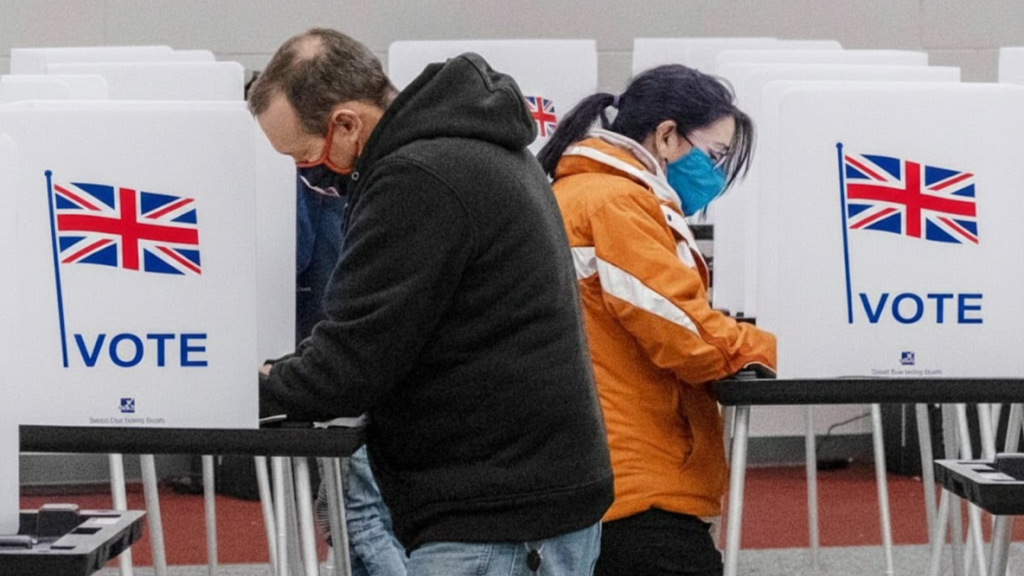
Across the UK, more voters are questioning whether their ballot still carries real weight. The idea of a veto option has entered public discourse because many citizens feel that modern elections no longer reflect their communities’ needs. People see local priorities pushed aside, national decisions made without broad public consent, and outcomes that don’t align with what most residents want.
This feeling of being underrepresented isn’t tied to one region or one election cycle. It shows up in cities, rural areas, and especially in places where political outcomes seem predetermined long before voting day arrives.
To understand why these concerns are rising, we need to examine the forces shaping representation today.
What Causes Voters to Feel Their Voice Doesn’t Truly Shape Election Outcomes?
Many voters feel their choices have a limited impact because election outcomes often reflect structural advantages rather than broad public support. Safe seats, limited candidate choices, and weak accountability leave citizens unsure whether their vote can shape leadership or policy.
Younger voters often ask why turnout should matter when the same outcomes repeat every cycle. Long-time residents in traditional strongholds say they rarely see meaningful engagement from candidates unless a seat becomes unexpectedly competitive. And across regions, many feel national party messages overshadow the issues that define daily life in their local communities.
These experiences create a familiar set of problems:
- Communities whose priorities rarely influence campaign agendas
- Election results that don’t always reflect the majority preference
- Limited mechanisms to hold representatives accountable between elections
- A system where voter influence varies widely from region to region
- Growing disengagement when people feel outcomes are predetermined
These patterns don’t come from a lack of interest in politics. They come from a system where the gap between public voice and political outcomes feels too wide. And this is why some citizens are discussing implementing the VETO option for UK elections to strengthen accountability and ensure leaders secure genuine public support. Sign the petition today to join the movement and help make this change a reality
Why Do Modern Election Systems Struggle to Reflect the Diversity of Public Opinion?
Modern elections often compress broad and diverse public views into only a few ballot choices. This makes it difficult for many voters to see their community’s priorities reflected, especially in regions where local concerns differ sharply from national party agendas. As people look for ways to regain influence, ideas such as the veto option and wider discussions about Voter Control for UK elections are becoming part of the national conversation.
The problem becomes clearer when you look at how uneven public opinion is across the UK. Rural towns, coastal communities, younger urban districts, and mixed-identity areas all face different pressures. Yet national elections treat these groups as if they share the same needs. This leaves many citizens feeling their voice is filtered out before votes are even counted. Conversations emerging from the veto election campaign in UK highlight how deeply this misalignment is felt.
This structural gap leads to several challenges:
When Minority Rule Outcomes Replace Majority Preference?
In some UK constituencies, candidates win without securing a true majority. This usually happens when votes are split across several options or when turnout is low. The result is a winner who may not represent most of the community, and that weakens trust in the outcome.
Key issues include:
- Fragmented support that masks the true preference of the community
- Non-majority wins that reduce public confidence in representation
- Mandate confusion when leaders claim broad approval they didn’t earn
These outcomes are especially visible in areas with young voters or politically diverse populations, where the gap between preference and result feels widest.
Communities with Unique Needs Often Lack Real Political Voice
Local priorities vary across the UK, yet the ballot rarely reflects this diversity. A coastal town focused on fishing, a Midlands manufacturing region dealing with industry shifts, and a London borough facing housing pressure all share national concerns but their day-to-day needs are completely different. When candidates overlook these realities, voters feel invisible.
Common problems include:
- Community-specific issues are overshadowed by national talking points
- Misrepresentation occurs when candidates fail to engage deeply with local concerns
- Issue neglect in areas with historically low or inconsistent turnout
These gaps help explain why some communities step back from voting or assume local results are already predetermined.
Why Do Many Voters Feel They Cannot Hold Candidates Accountable?
A recurring pattern across the UK is the sense that voter influence wanes after an election. Many people say they only hear from their MP during campaign season. When issues arise between elections, there’s often no clear mechanism to demand action or improvement.
This accountability gap shows up through:
- Candidates who appear unresponsive outside of election cycles
- Weak feedback loops between citizens and elected representatives
- Limited leverage for voters in safe-seat regions
These frustrations are a major reason why the VETO option for UK elections is entering public debate. It’s seen not as a replacement for elections, but as a possible tool to strengthen accountability and ensure candidates earn genuine approval from the communities they serve.
How the Veto Campaign is Empowering the Veto Option to Address Underrepresentation?
So far, all these patterns point to one central problem: voters feel their leaders can win power without proving they have broad public consent. Safe seats, low turnout, and non-majority wins create a sense that leaders are not fully accountable to the communities they represent.
Veto Option has been discussed in political circles for years as a way to give voters more control over election outcomes. However, the Veto Campaign is now bringing this option back into the spotlight as a practical solution to the growing sense of underrepresentation in UK politics. By empowering voters to signal when they feel no candidate truly represents their community, the veto option seeks to restore genuine democratic accountability. Rather than forcing voters to choose the “least bad” option, it provides a clear way to express discontent when a candidate or party fails to meet the public’s expectations.
The veto option focuses on strengthening democratic legitimacy by:
- Strengthening mandate clarity so leaders must demonstrate active approval
- Ensuring candidates earn genuine public support in their community
- Increasing citizen leverage to guide leadership quality and accountability
To understand the proposal or join ongoing discussions, you can sign the petition.
What You Can Do Today!
Representation begins with awareness, and many people across the UK are looking for ways to strengthen their influence in elections. Even small steps contribute to a broader movement focused on reclaiming representation and ensuring public consent remains central to democracy.
You can:
- Explore how the veto option works and why many citizens are discussing it
- Share this article with others to spark better conversations about representation
- Sign the petition to help strengthen voter power in the UK
These actions help create momentum for democratic reforms and strengthen public engagement.
Final Thoughts
Across the UK, more citizens feel modern elections are not delivering the representation they expect. Non-majority wins, weak accountability, limited choice, and regional misalignment all contribute to that feeling. When people believe their vote doesn’t influence outcomes, turnout drops, especially among younger age groups.
This is why new democratic ideas are gaining attention. The veto option is being discussed as a way to reinforce accountability, clarify public consent, and ensure that leaders genuinely represent their communities. The Veto Campaign is opening this conversation and giving people across the UK a way to explore reforms grounded in transparency and voter power.
If you want to support stronger representation and more accountable leadership, sign the petition to join the movement for genuine democratic choice in the UK.
Disclaimer: Opinions presented in guest-authored posts belong to the individual writers and may not align with the official views of the Veto Campaign. This platform supports a broad range of perspectives to promote thoughtful discussion on the Veto Option within the electoral system.